
Artificial Intelligence in Healthcare: New Report on Medical AI
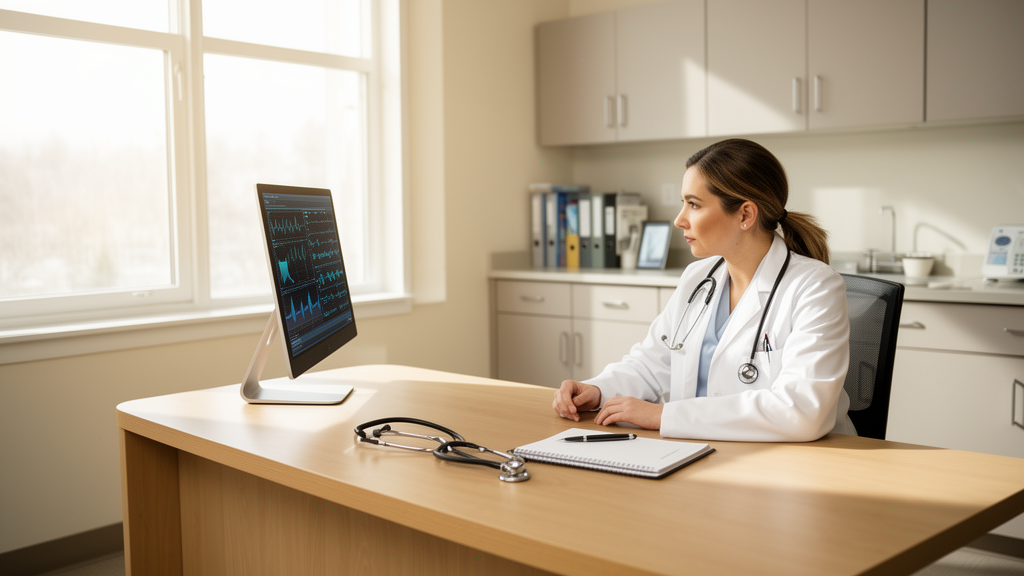
Medical journal Cureus just released a new report about artificial intelligence in healthcare. Computer systems now help doctors look at patient data and find illnesses. This fast change gives hospitals new ways to treat people who are sick.
What is artificial intelligence in healthcare?
Modern hospitals collect massive amounts of medical data every single day. Specialized software can read this data to help nurses and doctors make smart choices. Learning more about artificial intelligence in healthcare shows how computers spot patterns that humans might miss during a busy shift.
These smart tools do not replace real doctors or nurses in the clinic. Instead, they act like an extra set of eyes on test results, scans, and patient charts. Medical teams use these computer tools to work faster, reduce paperwork, and spend more face time with the people who need help.
How medical teams use smart computer tools
Clinics use smart software in several daily tasks to make medical care better. New programs can look through thousands of scans in seconds to flag problems early. Some systems also help scientists test new medicine formulas much faster than before.
- Reading X-rays and imaging scans to spot tiny signs of trouble early.
- Sorting through large medical records to track a person's health history.
- Helping scientists test new medicine formulas in research labs.
- Tracking vital signs in hospital rooms to alert staff about sudden changes.
Why safety and rules matter for medical AI
Using new computer systems in medicine brings big questions about safety. A computer mistake in a hospital can cause real harm to a human being. Because of this, groups around the world study the regulation of artificial intelligence to keep patient care safe.
Makers of these tools must prove that their software is accurate and fair. Hospital leaders need to know the code works well for people of all ages and backgrounds. Strong safety checks help build trust between patients, doctors, and the technology they use together.
What patients should expect next
You will likely see more computer tools at your local clinic over the next few years. Your family doctor might use smart software to take notes while you speak during your visit. That change lets doctors look at you instead of typing on a screen the whole time.
Researchers will keep testing these programs to make sure they help more than they hurt. As the software gets better, clinic visits could become faster and less stressful. The main goal remains simple, which is helping people live longer and healthier lives.


